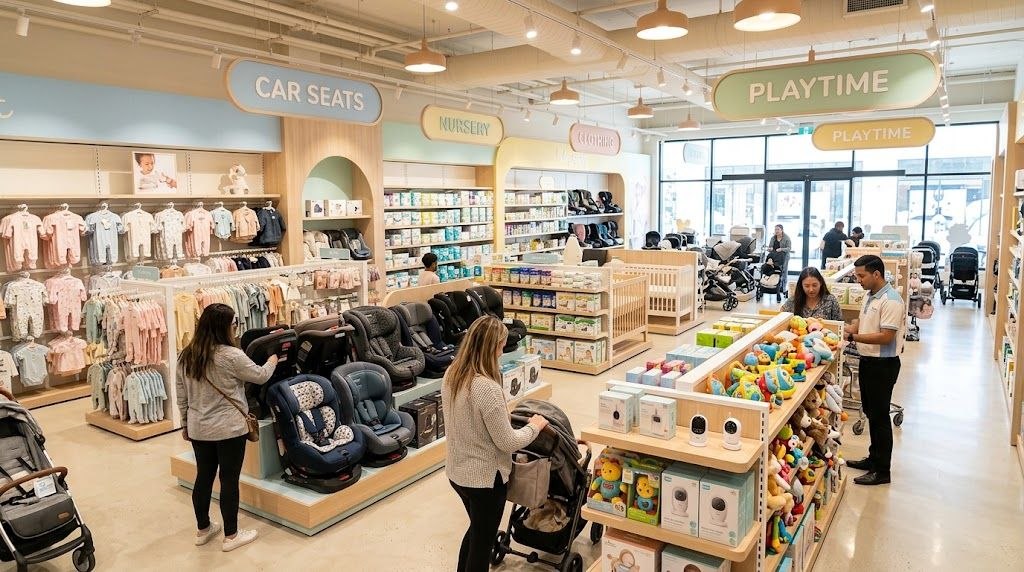
Two live milk plants brought into Australia's leading grocery retailer without interrupting supply
When Australia's leading grocery retailer acquired two highly automated milk processing plants, the seller's ERP and operational technology were not part of the deal. Both had to be rebuilt and moved onto the retailer's own IT infrastructure while the plants kept producing. Embedded in the home team, Mulberry Group led the programme from design through cutover to business-as-usual handover. As a result, each plant went live with a two-day outage and no interruption to milk supply.
CLIENT BACKGROUND
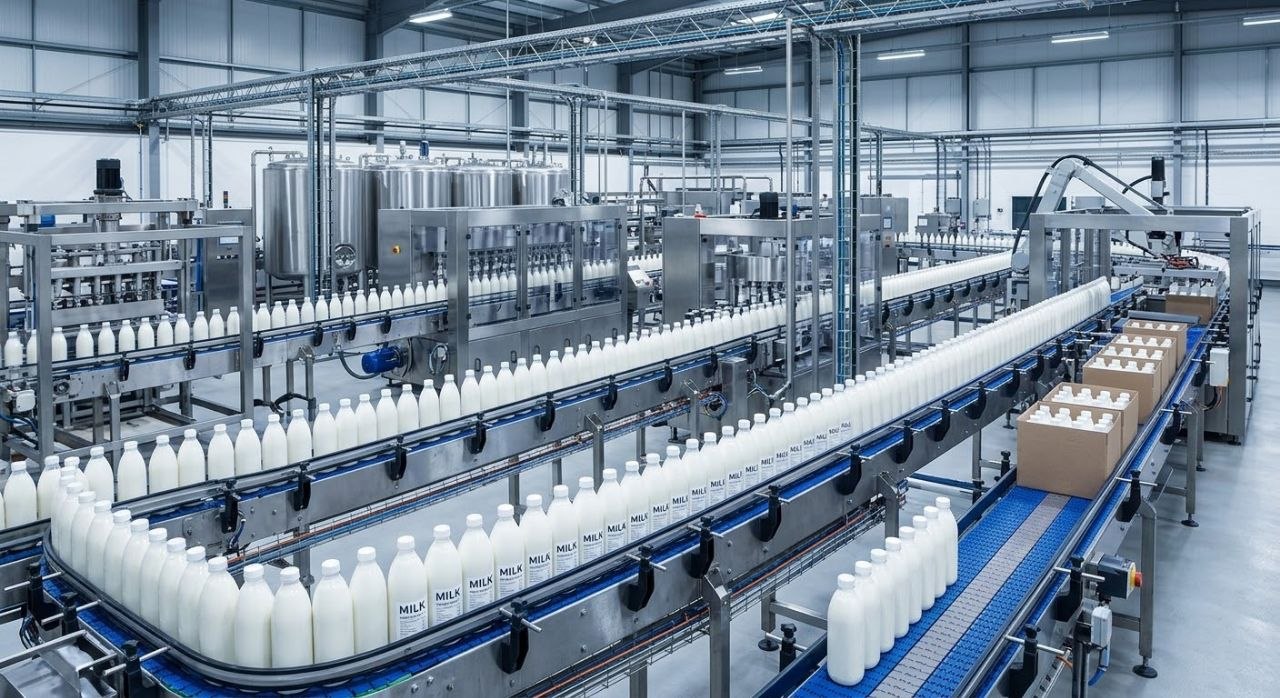
The client is one of Australia's largest grocery retailers, with own-brand fresh milk a core part of its range. In 2024, it acquired two highly automated milk processing plants from one of the world's top 10 dairy processors. Own-brand fresh milk makes up 80% of the plants' output, so owning them secures long-term supply, builds resilience and ends reliance on a third-party processor.
Every system had to be rebuilt and moved while both plants kept producing
The seller's enterprise resource planning (ERP) and operational technology (OT) systems were not included in the sale, so both had to be rebuilt and transitioned, and the plants had to move onto the retailer's internal IT infrastructure. Acquiring the plants was the first step. The real work was making them run as part of the retailer.
Since both plants were working production sites, interruption had to stay minimal for the retailer's customers. What made the transition even more challenging was that the seller was becoming a plants’ customer. Protecting its business continuity through a professional, well-managed exit was also an important part of the contract.
Mulberry was engaged to lead the transition and deliver the plants into business as usual.
An embedded team that owned the transition from design to business as usual
We joined the programme as part of the home team, not as a peripheral consultant. Our people worked with the project's team at every level and stayed involved at every stage: design decisions, delivery, cutover and handover. We worked closely with vendors and with internal technology, business and commercial teams. That proved to be one of the key success factors.
We provided programme delivery services, keeping the work aligned with the organisation's goals. During design, we supported the retailer's own architecture team, driving key design decisions and providing governance and escalation support at critical programme milestones. For day-to-day delivery, we developed and owned the master plan, managing everyday tasks, aligning interdependencies, and maintaining visibility.
Just as important was the confidence of the business team. They mattered most to the plants' success and had the final word on every go/no-go decision, so we brought them into the process early and built their buy-in well before each go-live.
Together with all teams, we built a detailed go-live plan and managed it in near real time during each cutover. We were also accountable for data migration, acting as the bridge between the seller, who owned the systems and the data, and the project teams loading it into the new systems, so master and transactional data arrived complete and correct.
Once both plants were running under the new owner, we led a structured handover to business as usual, so every new application, service and system is fully supported after the project team leaves.
Two go-lives with two-day outages and uninterrupted milk supply
Each plant cut over to the new systems with just a two-day outage. The path was not a straight line. Vendor delays, changes of delivery leads, the loss of some key team members and the pressures of the commercial calendar, all tested the plan, but each time, the programme adapted and held its course.
Throughout the transition, there was no milk supply shortage – clients and end customers received their milk as usual. The transitional service agreement with the seller closed on schedule, and now both plants operate as part of the retailer's network. With more than 450 million litres of annual capacity under its control, the retailer is ready to expand and diversify its dairy range.